Hello Moringa – Could This Be Your New Favorite Superfood?
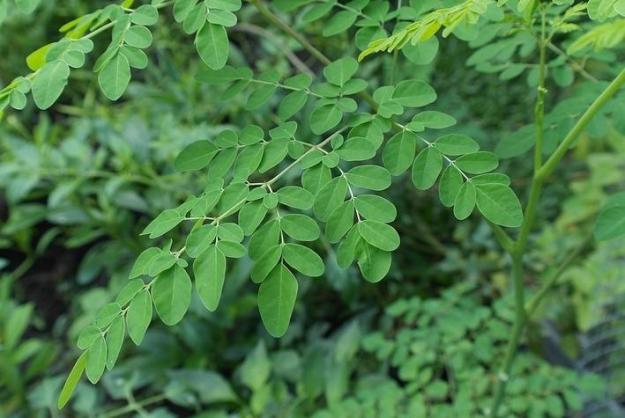
Image: Google Images Free Use
For thousands for years, people have been cultivating and benefiting from the medicinal properties of the moringa plant. As early as 2000 BCE it was used on the Indian Subcontinent to treat everything from skin irritations to asthma. As the plant and its users spread across the world, its nutritional benefits caused it to become a staple in Southeast Asia. Today, the entire plant is used as both a superfood and as a key ingredient in natural remedies and medicines. Read on to find out why moringa just might be your new favorite superfood.
Nutritional Value
Moringa leaves and pods are packed full of amazing nutrients that can help you reach your recommended daily intake of certain vitamins and minerals. The leaves are full of protean, vitamin B6, vitamin C, iron, riboflavin, vitamin A, and magnesium. While the pods don’t offer as wide a variety of vitamins and minerals, one cup of fresh pods contains 157% of your daily vitamin C requirement. While fresh Moringa leaves and pods might be a bit tricky to track down in North America, there are plenty of supplements available where the leaves are broken down into either a power or capsules.
Health Benefits
In addition to helping you get those necessary vitamins and minerals, moringa has several other health benefits. The leaves are full of antioxidants and one study found that taking moringa leaf powder every day can significantly increase blood antioxidant levels. The antioxidants in moringa leaves can help lower your blood pressure and balance blood sugar levels. Scientists have also found anti-inflammatory properties in the moringa plant which can help reduce the chances of developing serious health issues like heart disease and cancer. In addition, moringa has been shown to help lower cholesterol, thus further reducing the risk of heart disease.
Medicinal Properties
Moringa’s use in traditional medicine is well-documented. Over the years, this plant has been used to treat a variety of medical issues including asthma, anemia, gastritis, headache, kidney stones, ulcers, and thyroid disorders. There is also evidence that taking moringa supplements after giving birth can increase breast milk production, however its effects—either positive or negative—on a nursing infant are still unclear. When applied topically, moringa has been used to fight conditions like dandruff, warts, skin infections, and gingivitis.
Get Your Daily Dose
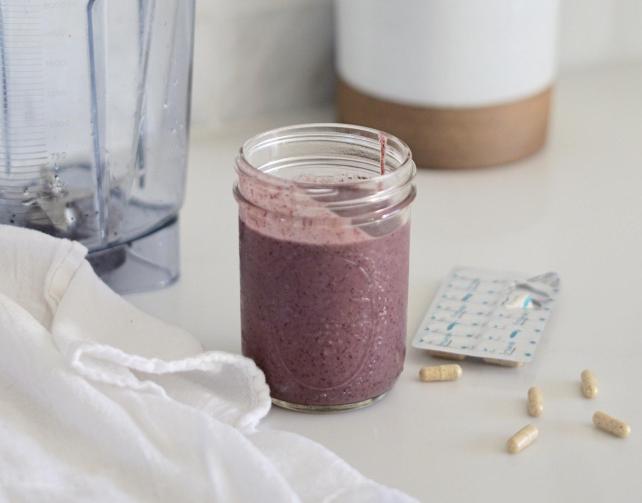
As with any supplement or major dietary change, it’s always best to consult your doctor first and foremost. But once you’ve been given the all-clear, here are some ways to get incorporate moringa into your diet. Short of getting your hands of fresh leaves or pods, your best bet it to purchase moringa leaf power or capsules. Capsules are perfect if you’re always on the go and are used to taking daily vitamin tablets. They are also a good choice if you don’t like the taste of moringa. However, moringa power is usually more concentrated and thus contains more of the benefits of this superfood. Moringa powder can be made into a tea, mixed with juice, or incorporated into smoothies and salad dressings. You can also try moringa seed oil, although it is harder to find. This can be used topically to encourage healthy skin and hair, to sooth arthritis pain, and to heal scars and burns more quickly.
Whenever a plant has been used successfully by so many people across countless centuries, it’s sure to have amazing benefits that can also be captured by this generation. With winter just around the corner, it’s more important than ever to pay a little closer attention to your health and wellness, so why not give moringa a try? Whether you’re looking to boost your nutrition, improve your overall health, or help heal aches and pains, moringa just might be your new favorite superfood.