
How Long Will Natural Beauty Products Last?

Image: Unsplash

We all know that beauty products each have their own expiration dates, but many of us are often guilty of letting them slide and allowing expired products to sit in our drawers longer than they should. This bad habit has gotten all the more complicated with the rise in popularity of natural beauty items, as few people have a clear understanding of how long you can safely keep using those better-for-you products. As a general rule, the lack of chemical preservatives in natural beauty products gives them a shorter shelf life, and the specific expiration time of particular products will vary according to the manufacturer. That being said, here’s a general guideline of how long your natural beauty products will last.

Eye Makeup

Eye makeup is something that you want to make sure you’re replacing regularly, particularly when it comes to mascaras and eyeliners that come in contact with the waterline of your eye and can therefore easily transmit bacteria and cause infections or irritation. Three to six months is the standard life-span of natural eye makeup and it’s always best to be extra safe where your eyes are concerned.

Moisturizers and Lotions

Face moisturizers and body lotions are typically good to go for six months after opening. Keep an eye out in case your products have changed color, consistency, or smell. That being said, plenty of products expire without showing any visible signs so stick to the six months rule either way.

Shampoos and Conditioners

Shampoos and conditioners have one of the longest shelf lives among natural beauty products and can last for a year or two. To keep them going strong, make sure to seal them tightly to avoid water getting into the bottles and to prevent mildew from forming. If you start to notice a sudden difference in your hair texture, it’s probably time to kiss those old bottles goodbye.

Soaps

Like shampoo and conditioner, soaps and shower gels can stay with you for a year or two, though some natural soap makers say to use their products up within 6 months. To keep natural or handmade bar soap in good shape, avoiding leaving it to sit in water by investing in a well-drained soap dish.

Deodorant

Many people have recently switched over to natural deodorant after concerns have started to mount around the side-effects of the aluminum in mainstream anti-perspirants. While natural deodorants might be better for your health, they lose their effectiveness a little more quickly. It will be time to trade these out after six months to a year.

Lip Products

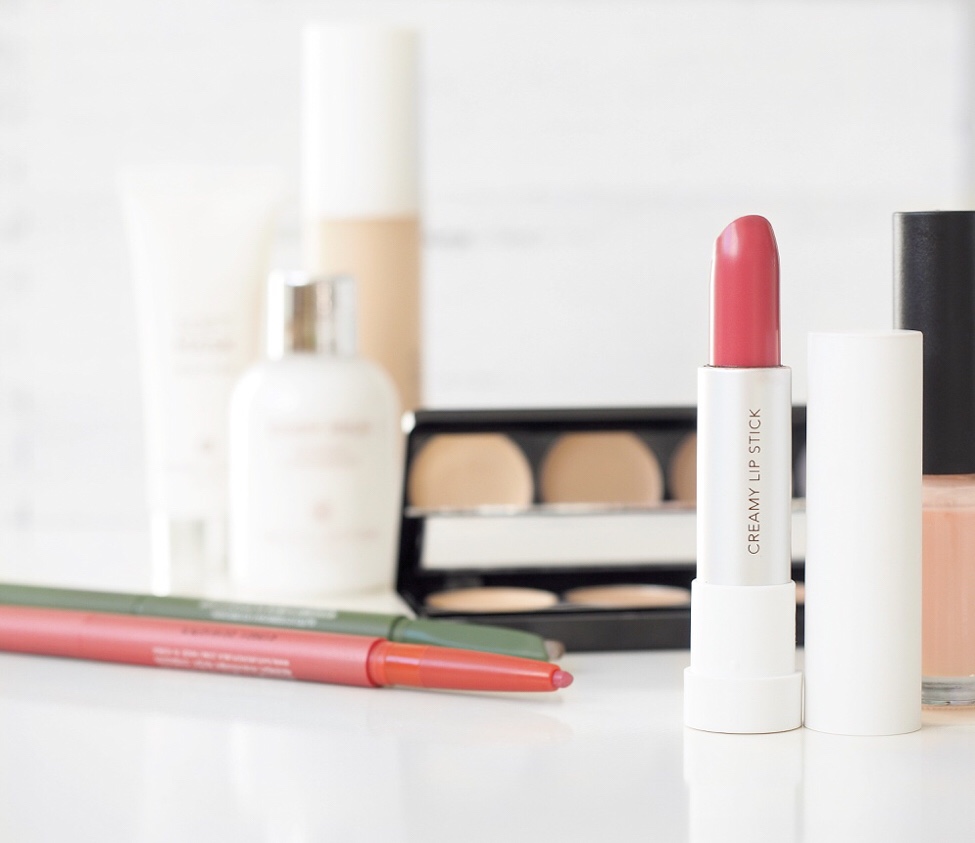
Natural lip balms and lipsticks stay fresh for about a year, but if you use the same product daily you might want to swap it out at the six-month mark. If you apply lip balm with your fingers, it’s important to remember to always use clean hands in order to extend the life of your product and prevent bacteria from spreading.

Tips & Tricks

General good practice when it comes to keeping your natural beauty products in good condition is to store them in a cool, dark, and dry place. Keeping them away from excess water, moisture, and humidity is particularly important. And like with any regular beauty products, keep them clean and sanitary by washing your makeup brushes regularly and not sharing products like mascara, eye liner, or lipstick with others.

While this guide provides a general overview, you’ll also want to check the expiration dates on your individual products, as these things can vary from brand to brand. Look for a picture of a jar on your products. That jar will have a number and letter combination telling you the shelf life of a product. If the jar has a closed lid, that image is telling you the life of the product since the date it was manufactured. If the jar has an open lid, you’re being told how long the product will last after it’s been opened. For example, a jar with an open lid marked “12M” means that the product will expire 12 months after it has been opened. If you’re having trouble remembering when to trade out your products, think about adding a little date sticker to the lids when you open them. That way you’ll have a visual cue about when to throw them out.

While it can be hard to remember to clear out your beauty-stash regularly, hopefully this post will serve as a helpful guide and regular reminder. Even after you make the switch to natural beauty products, you still have to do everything you can to make sure they’re working as best they can for you.

Hello Moringa!

Hello Moringa – Could This Be Your New Favorite Superfood?

Image: Google Images Free Use

For thousands for years, people have been cultivating and benefiting from the medicinal properties of the moringa plant. As early as 2000 BCE it was used on the Indian Subcontinent to treat everything from skin irritations to asthma. As the plant and its users spread across the world, its nutritional benefits caused it to become a staple in Southeast Asia. Today, the entire plant is used as both a superfood and as a key ingredient in natural remedies and medicines. Read on to find out why moringa just might be your new favorite superfood.

Nutritional Value

Moringa leaves and pods are packed full of amazing nutrients that can help you reach your recommended daily intake of certain vitamins and minerals. The leaves are full of protean, vitamin B6, vitamin C, iron, riboflavin, vitamin A, and magnesium. While the pods don’t offer as wide a variety of vitamins and minerals, one cup of fresh pods contains 157% of your daily vitamin C requirement. While fresh Moringa leaves and pods might be a bit tricky to track down in North America, there are plenty of supplements available where the leaves are broken down into either a power or capsules.

Health Benefits

In addition to helping you get those necessary vitamins and minerals, moringa has several other health benefits. The leaves are full of antioxidants and one study found that taking moringa leaf powder every day can significantly increase blood antioxidant levels. The antioxidants in moringa leaves can help lower your blood pressure and balance blood sugar levels. Scientists have also found anti-inflammatory properties in the moringa plant which can help reduce the chances of developing serious health issues like heart disease and cancer. In addition, moringa has been shown to help lower cholesterol, thus further reducing the risk of heart disease.

Medicinal Properties

Moringa’s use in traditional medicine is well-documented. Over the years, this plant has been used to treat a variety of medical issues including asthma, anemia, gastritis, headache, kidney stones, ulcers, and thyroid disorders. There is also evidence that taking moringa supplements after giving birth can increase breast milk production, however its effects—either positive or negative—on a nursing infant are still unclear. When applied topically, moringa has been used to fight conditions like dandruff, warts, skin infections, and gingivitis.

Get Your Daily Dose

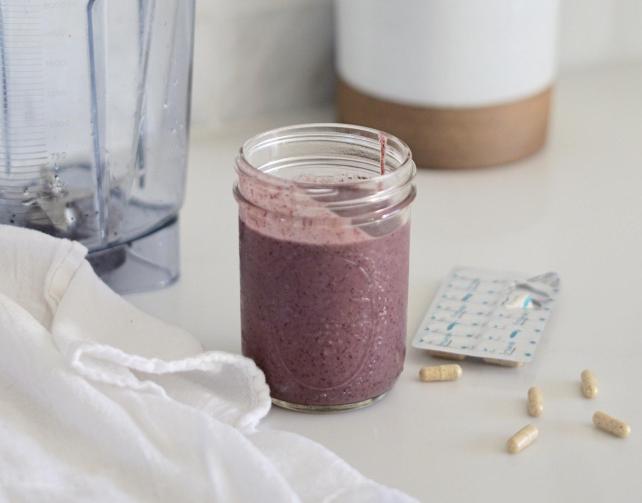
As with any supplement or major dietary change, it’s always best to consult your doctor first and foremost. But once you’ve been given the all-clear, here are some ways to get incorporate moringa into your diet. Short of getting your hands of fresh leaves or pods, your best bet it to purchase moringa leaf power or capsules. Capsules are perfect if you’re always on the go and are used to taking daily vitamin tablets. They are also a good choice if you don’t like the taste of moringa. However, moringa power is usually more concentrated and thus contains more of the benefits of this superfood. Moringa powder can be made into a tea, mixed with juice, or incorporated into smoothies and salad dressings. You can also try moringa seed oil, although it is harder to find. This can be used topically to encourage healthy skin and hair, to sooth arthritis pain, and to heal scars and burns more quickly.

Whenever a plant has been used successfully by so many people across countless centuries, it’s sure to have amazing benefits that can also be captured by this generation. With winter just around the corner, it’s more important than ever to pay a little closer attention to your health and wellness, so why not give moringa a try? Whether you’re looking to boost your nutrition, improve your overall health, or help heal aches and pains, moringa just might be your new favorite superfood.

Why Your Gut Needs More Than Just Probiotics

Why Your Gut Needs More Than Just Probiotics

Image: Unsplash

If you’ve been doing any thinking on or research into gut health in the past few years, likely you’ve heard about the importance of probiotics. In fact, chances are you’ve heard of it even if you’ve done nothing more than watch a recent yoghurt commercial! Probiotics are all the rage in trendy gut health but, while they are important, they’re definitely not the only key to a healthy digestive tract. Here’s why your gut needs more than just probiotics.

The Gut Is Super Complex

Probiotics aren’t the only thing living happily in a healthy gut. The microbiome of the digestive system is made up not only of healthy bacteria, but also fungi, yeasts, and viruses. All these organisms need to be working together in harmony in order for you to have a healthy gut. That’s why taking probiotics might not necessarily be the solution to your digestive problems. It’s possible that your health issues are stemming from a whole other aspect of the microbiome altogether such as an overgrowth of yeast or an imbalanced fungal composition.

Your Gut Is Unique

While it’s tempting to think that there’s a universal ideal balance of organisms in the microbiome that we can all strive to achieve, the truth is that everyone’s gut is unique. What magically improved the gut health of your best friend might not work at all for you. Some people naturally have more probiotics in their gut than most, while others have more diversity in the organisms in their digestive tract. Many things can influence the uniqueness of your gut including your genetics, diet, and lifestyle. This means that not only does your gut need more than just probiotics because of its complexity, it likely needs its own unique cocktail of healthy flora and bacteria in order to achieve the optimal health and balance for your one-of-a-kind body.

So What Do You Really Need?

Now that we know why we need more than just probiotics, we can talk a bit about what we need. Remember, that this is general advice and that every body is different so it might take some time for you to find the perfect balance for yourself.

Fermented Foods

Fermented foods are an amazing and natural way of replenishing the health of your gut. Not only do they contain healthy probiotics, they are also packed full of healthy yeasts, vitamins, minerals, and bacteria. In addition, fermented foods help the body produce healthy acids to aid digestion. Fermented foods can include things like kimchi, kombucha, sauerkraut and — yes! — yoghurt.

Fiber

Fiber is important not only because it feeds the gut’s healthy bacteria, but also because it provides essential vitamins and nutrients along with much-needed energy. Fiber also includes short-chain fatty acids which help reduce inflammation and boost the immune system. There are two kinds of fiber: soluble and insoluble. While soluble fiber is great for lowering blood sugar and cholesterol, insoluble fiber is what really helps clean out your gut.

Prebiotics

While the gut needs healthy bacteria, it also needs the right nutrients to feed that bacteria. That’s where prebiotics come in. As the team at hyperbiotics.com puts it, “Prebiotics are to probiotics what fertilizer is to a garden.” Thinking of it that way, you really can’t have healthy probiotics without prebiotics. The good news is that prebiotics are readily available in all kinds of foods. To increase your intake, eats lots of whole grains and seeds like oats, millet, quinoa, and buckwheat. The less refined, the better!

It’s Not Just About The Food

Something that a lot of people don’t realize is that a healthy gut isn’t just about what you eat or don’t eat. In addition to all the diet-related elements we’ve talked about above, lifestyle habits also play a significant role in maintaining a healthy gut. Here are some lifestyle changes you can make to boost your digestive health.

Exercise

Studies have shown that cardiovascular exercise can increase the diversity of the microbes in our digestive systems. Cardio does this by increasing the levels of butyrate in the gut which is an important component of healthy digestion.

Avoid Anti-Bacterial Soaps and Hand Sanitizers

Many traditional soaps and hand sanitizers go overboard with their bacteria-killing powers and end up ridding your skin of the good bacteria along with the bad. Nowadays there are plenty of more natural cleansers on the market that will keep you clean without killing of your body’s healthy bacteria.

Reduce Stress

Stress can take a serious toll on every aspect of your health, including the health of your gut! In order to allow your natural systems to function as they should, practice stress management techniques to keep your mind and body focused on wellness. Start a daily meditation practice, set aside time for self-care, or go for an evening stroll.

As you can see, the gut is a pretty complex system that needs a lot of different elements to come together in harmony in order to be healthy and happy. Although the system is complex, the solutions are simple! With a few diet and lifestyle changes that incorporate more than just probiotics, you’ll soon find yourself feeling better than ever before.