A Guide To Safe Cookware
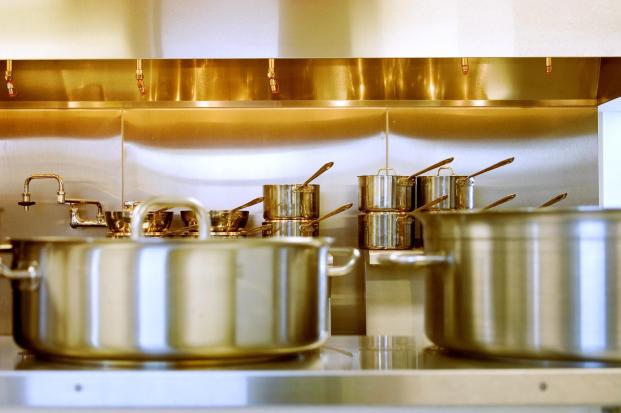
Image: Unsplash
Chances are you’re already thinking a lot about the best foods to put in your body. When you grocery shop, you keep your eyes peeled for labels like “organic” and “non-GMO,” but all that extra effort and energy is wasted if you’re not also thinking about how you cook those healthy ingredients. The truth is that many mainstream cookware products are full of chemicals and toxins that can be extremely damaging to your health and that are linked to diseases like cancer, Alzheimer’s, and autism. But not to worry! There are tons of great cookware products and brands available out there that are completely non-toxic and chemical free. From now on, think of this post as a handy guide to safe cookware that you can refer to over and over again.
What To Look For
When shopping for safe cookware, these are the materials and buzzwords you want to look out for that will guarantee your food makes it to the dinner table chemical-free.
100% Ceramic
100% ceramic cookware (as opposed to cookware with a ceramic coating) is made from natural clay that is free from metals, chemicals, and toxins. Furthermore, because it isn’t coated with anything, there is no risk of that coating getting scratched or peeling away with time and leaving nasty flakes in your food. While ceramic cookware may break easily if dropped, it is dishwasher and microwave safe and is easy to clean.
Cast Iron
Cast iron is ideal for cooking meats and can transition easily from the stovetop to the oven. An enamelled cast iron pan is non-stick without being toxic, while a simple cast iron pan can add a little extra iron to your diet. Cast iron is a favourite among professional chefs and a good skillet, if properly cared for, can last for years. Make sure you do a bit of research to learn how to season a cast iron pan and clean it with gentle soaps.
Stoneware
Stoneware pieces are excellent for baking and can be a great replacement for aluminum baking sheets, muffin tins, roasting pans, and loaf pans. Avoid cleaning stoneware with soap because the naturally porous material will absorb the taste and give your food a flavor you don’t want! Like cast iron, stoneware also comes in enameled and non-enameled versions, and both are healthy, chemical-free options.
Glass
Glass is completely inert so it doesn’t release any toxins and never deteriorates over time. It’s also one of the more affordable materials on this list. However, glass cookware definitely isn’t as multi-use as some other non-toxic products and is primarily used in the oven for baking. At the same time, it can be a great storage option to help you cut down on your plastic consumption.
Stainless Steel
If you’re looking for non-stick cookware that is also non-toxic, stainless steel is a great option. It’s much lighter than cast iron or stoneware and is scratch and chip-resistant. One important thing to keep in mind is that stainless steel does contain small amounts of nickel which could seep into your food over time. For this reason, stainless steel cookware if better used for quick cooks over long simmers and stews.
What To Avoid
You’ll want to stay away from these dangerous and harmful materials found in many popular cookware brands.
Ceramic Coating
Ceramic coatings may easily trick people into thinking that this kind of cookware is non-toxic, but under that thin coating you’ll find synthetic polymers, toxic aluminum, and sometimes even lead. Ceramic coatings aren’t very durable and tend to chip and scratch over time. Not only does this create the possibility of the coating itself getting into your food, it also opens the door to those metals and chemicals underneath which will begin to seep into your food.
Teflon/Non-Stick
Teflon is extremely common as the popularity and convenience of non-stick pans has risen over the past few years. Non-stick cookware may be easy to use and clean, but it is coated with synthetic materials (PTFE/Teflon) that leech toxins when heated. Teflon itself has been showed to release carcinogens, pollutants, and chemicals that have been linked to cancers, fertility issues, and fume fevers.
Aluminum
Lots of recent research has linked aluminum to neurological disorders such as Alzheimer’s disease, ASL, autism, and damage to the central nervous system. While you may have heard that aluminum cookware is coated to prevent these side-effects, the fact is that all cookware coatings can scratch and chip over time, leaving your food vulnerable to the harmful materials underneath. Your safest option is to avoid aluminum cookware altogether, and while you’re at it, swap out your aluminum foil for parchment paper.
With so many options for cookware out there it can be hard to know what the best option is for you and your family. That being said, now that you know what keywords to look for and which to avoid when shopping, you’re well on your way to stocking your kitchen with healthy and natural tools to make sure your meals are as good for you as they can be.
What’s your favorite kind of safe cookware? Let us know in the comments!